The bean chaointe—“the keening woman”—occupied a distinctive and complex position within the ritual life of traditional Ireland. Rooted in the practice of caoineadh (keening), she functioned not merely as a mourner but as a culturally sanctioned mediator of grief, memory, and liminality. Her voice, characterized by a rhythmic oscillation between lamentation and invocation, constituted a ritualistic and sonic form through which death was rendered intelligible within the communal and cosmological order in which she belonged.
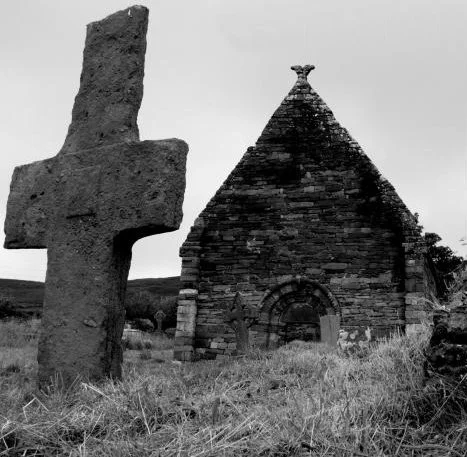
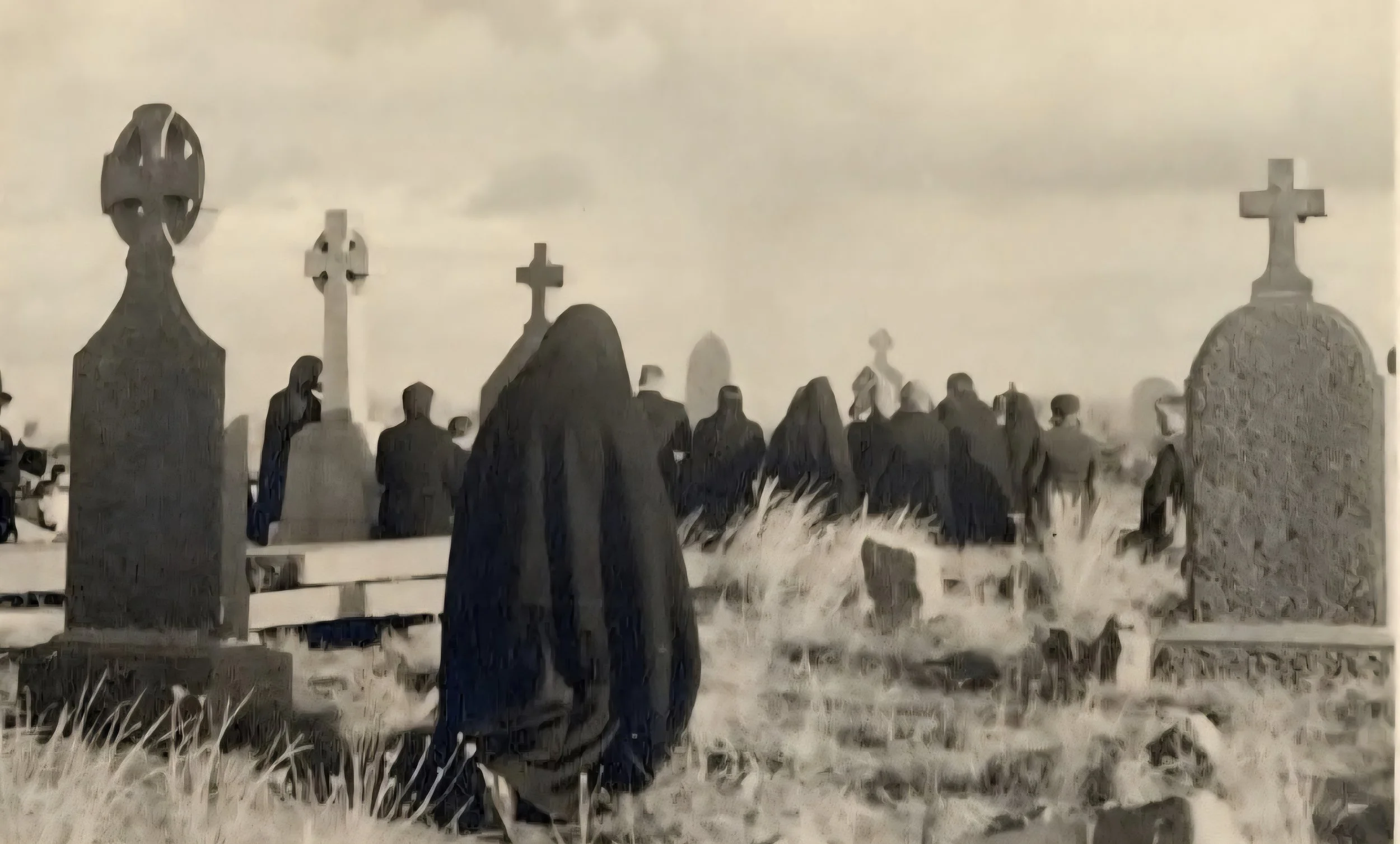
The Keeper of lineage
Historically, keening appears in ancient and medieval Irish manuscripts and was, from at least the early medieval period, a predominantly female ritual performed in the presence of the dead. Women—often elder figures respected within their communities for their skill in this role—gave voice to grief through semi-improvised laments that wove together praise, genealogy, and sorrow. In this way, the bean chaointe became a keeper of collective memory: she named the dead, situated them within lineage and place, and affirmed their belonging within the wider ancestral fabric of the community.
In Irish folklore, the bean chaointe occupies a threshold space between the world of the living and the Otherworld—a realm understood not as wholly separate, but deeply intertwined with human experience. Her keening speaks not only about the dead but, in a more mysterious sense, to them and perhaps even with them. This liminal quality is especially present during the Irish wake, a ritual vigil in which the dead remain bodily present among the living. Practices such as lighting candles, covering mirrors, and opening doors and windows reflect a symbolic understanding of transition and passage. Within this charged space, the voice of the bean chaointe becomes both witness and guide, accompanying the dead and the living alike through the threshold of loss.
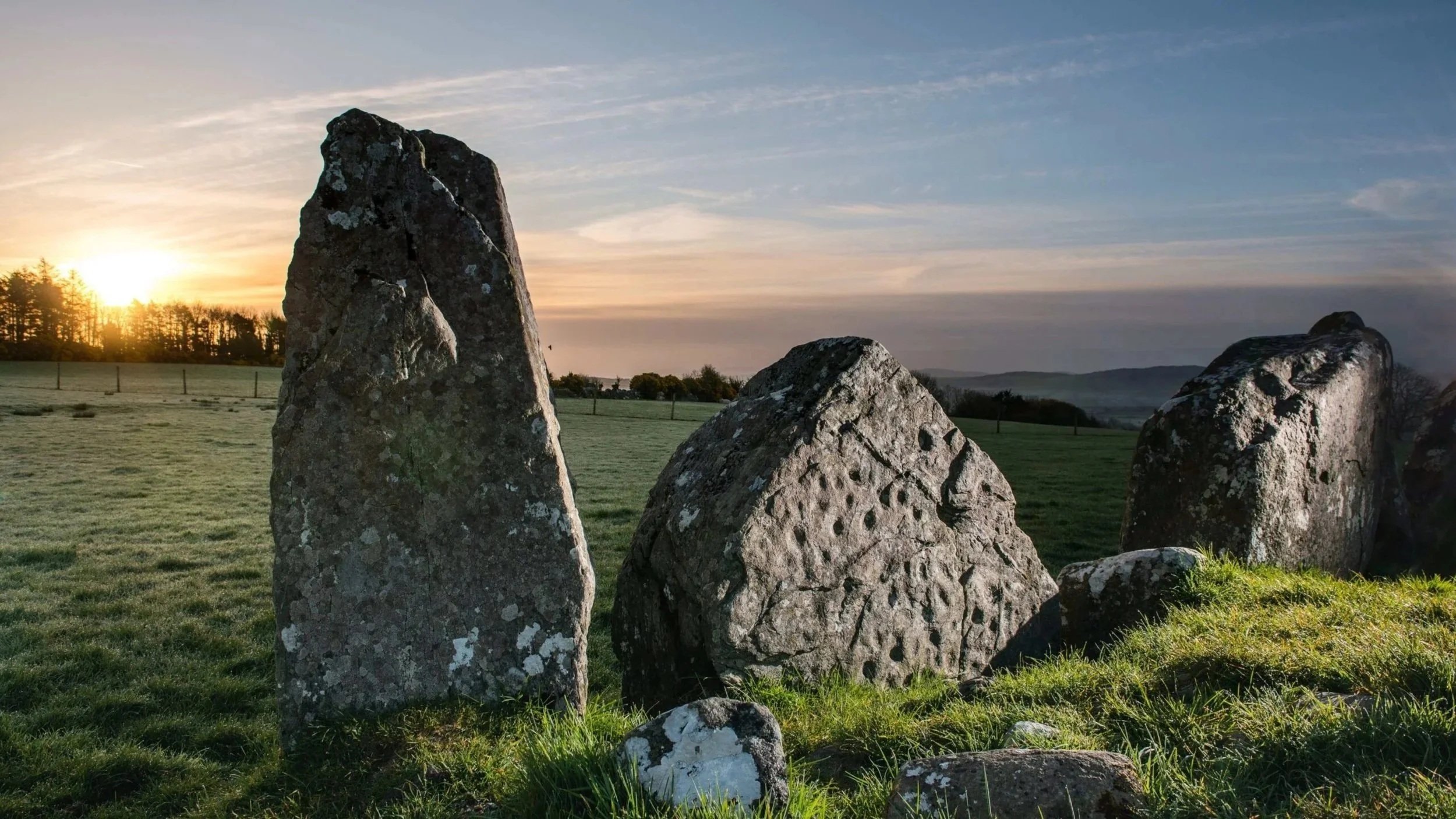
A Jungian Perspective, Grief, loss and the power of the numinous
From the perspective of Carl Jung’s depth psychology, the bean chaointe can be understood as expressing archetypal patterns that arise from the collective unconscious. Jung believed that certain symbolic figures appear across cultures because they reflect deep structures within the human psyche. The keening woman resonates with the archetype of the psychopomp—a guide who accompanies transitions between worlds, particularly between life and death, consciousness and the unconscious. In this sense, her role is not only cultural but psychological: through ritual and lament, she gives outward form to an inner process of transformation.
The emotional intensity of keening also reflects what Jung described as the numinous—an encounter with something powerful, mysterious, and beyond ordinary language. The bean chaointe gives voice to this experience. Her lament allows grief to move beyond silence or repression and become something shared and witnessed within the community. Rather than isolating sorrow, keening holds it collectively, transforming anguish into connection and meaning.
Over time, however, the tradition of keening began to decline under the growing influence of the institutional Church and changing social attitudes toward death and ritual. From the early modern period onward, clerical authorities increasingly viewed keening with suspicion, associating its emotional intensity, improvised lamentation, and perceived connections to older folk beliefs with disorder and pagan custom. As funeral practices became more regulated and standardized within Catholic observance, the role of the bean chaointe gradually diminished.
By the late nineteenth and early twentieth centuries, keening had largely disappeared as a living communal practice in most parts of Ireland, surviving only in fragments of oral memory, folklore, and song. Yet despite its decline, the figure of the bean chaointe and many of the caoineadh, continues to endure within the Irish cultural imagination as a symbol of ancestral grief, ritual mourning, and the deep human need to give voice to loss.
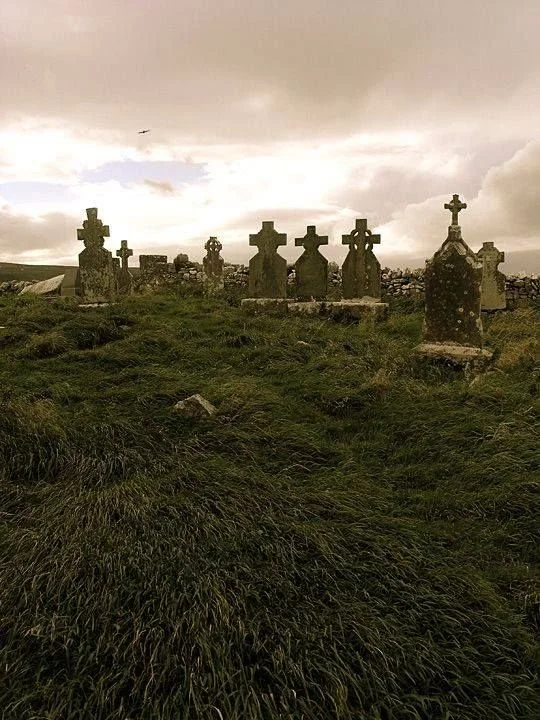

Meaning-Making and Healing
The Bean Chaointe’s lament reveals grief not merely as mourning, but as a passage into memory, meaning, and enduring connection. Ultimately, the Bean Chaointe invites us into a deeper relationship with what Carl Jung called the collective unconscious — the deep psychic layer containing humanity’s most ancient symbolic patterns. Rooted in Gaelic mourning traditions, she bridges the personal and ancestral, the human and the sacred. Though the practice of keening has largely faded, the presence of the bean chaointe endures within cultural memory, reminding us of the enduring human need to witness grief, honor the dead, and find meaning at the thresholds of life and death.
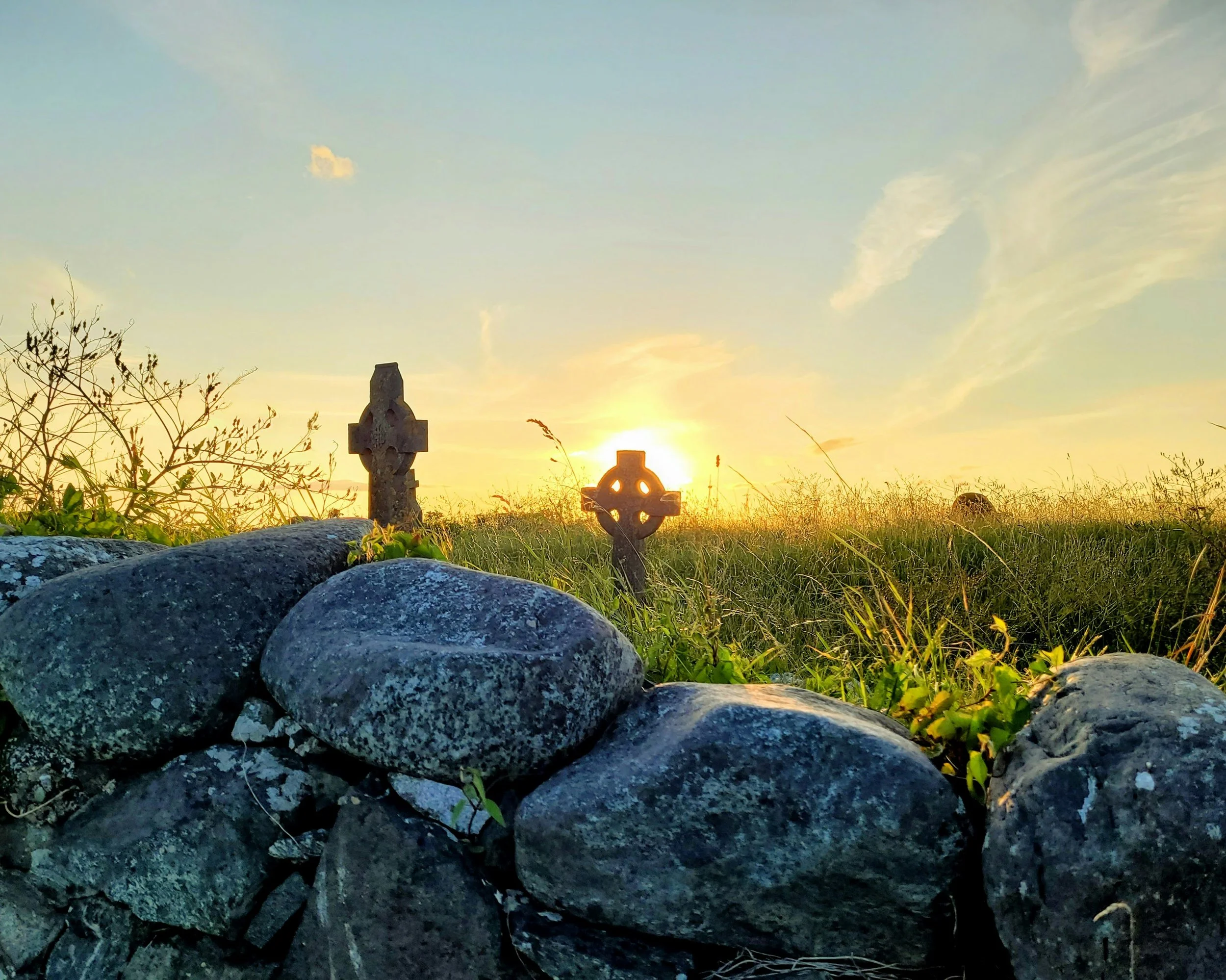
New Upcoming LIVE Workshop & Online Course
Join me as we explore this extraordinary figure in Irish Folklore, LIVE in an International ONLINE Deepening the Senses Gathering on Sunday June 28th 2026 at 9am PST.
In this workshop, we deepen into ritual through the figure of the Bean Chaointe—the Keening Woman of Ireland—who stood at the threshold between worlds, keening for the dead and the living alike. Through her, we encounter a way of giving voice to sorrow, rage, love, and all that cannot be spoken. Together, we explore Irish ancestral customs surrounding death, grief, and the Gaelic Otherworld, and consider how ritual and ancestral wisdom might guide us in meeting loss and transition today. The course offers a rich window into an ancient world, weaving together Irish language, poetry, music, and song into a visceral and immersive experience.
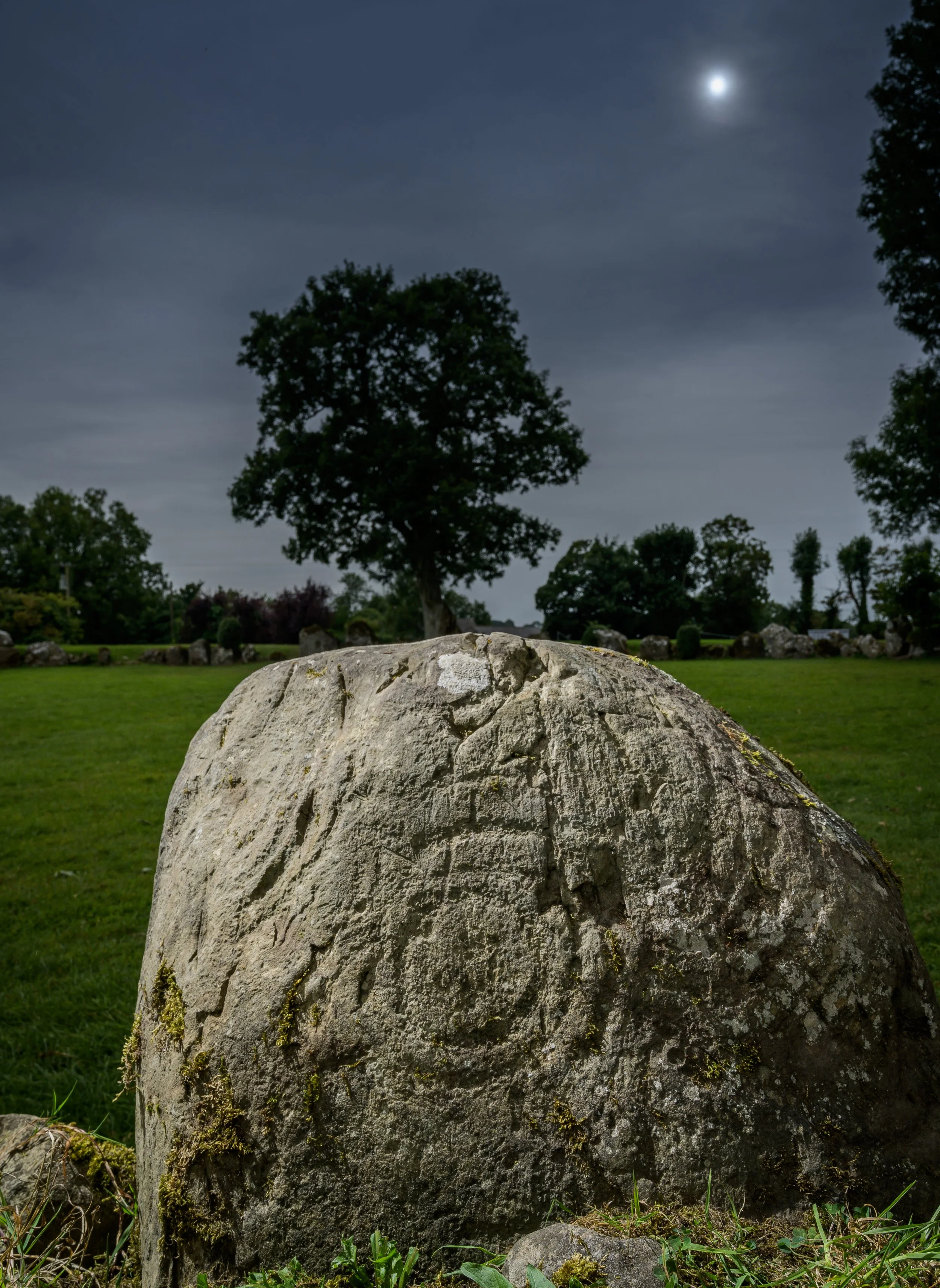
NEW! LIVE Workshop & Online Course
Lamenting the Dead
Bean Chaointe | The Keening Woman Irish Ancestral customs of Death, Grief and the Gaelic Otherworld.
We explore the Bean Chaointe—the Keening Woman of Ireland—who stood at the threshold between worlds, keening for the dead and for the living alike. Through her, we encounter a way of giving voice to sorrow, rage, love, and all that cannot be spoken. Together, we consider how ritual and ancestral wisdom might support and guide us in meeting grief, loss, and the thresholds of transition. This course offers a space for reflection, cultural exploration, and embodied engagement with these traditions.
