That We May Face the Rising Sun
This week marks 20 years since the passing of the Irish Writer John McGahern (1934–2006). Few writers have rendered the texture of rural Irish life with the clarity and restraint of John McGahern. He was born in Dublin in 1934 and raised in County Leitrim. He drew deeply from the rhythms, silences, and rituals of the countryside that shaped him. Known for his precise prose and deeply reflective portrayals of rural Irish life, his fiction resists spectacle, instead focusing on the quiet patterns of daily life—work, conversation, memory, authority, and the quiet struggles of everyday existence.
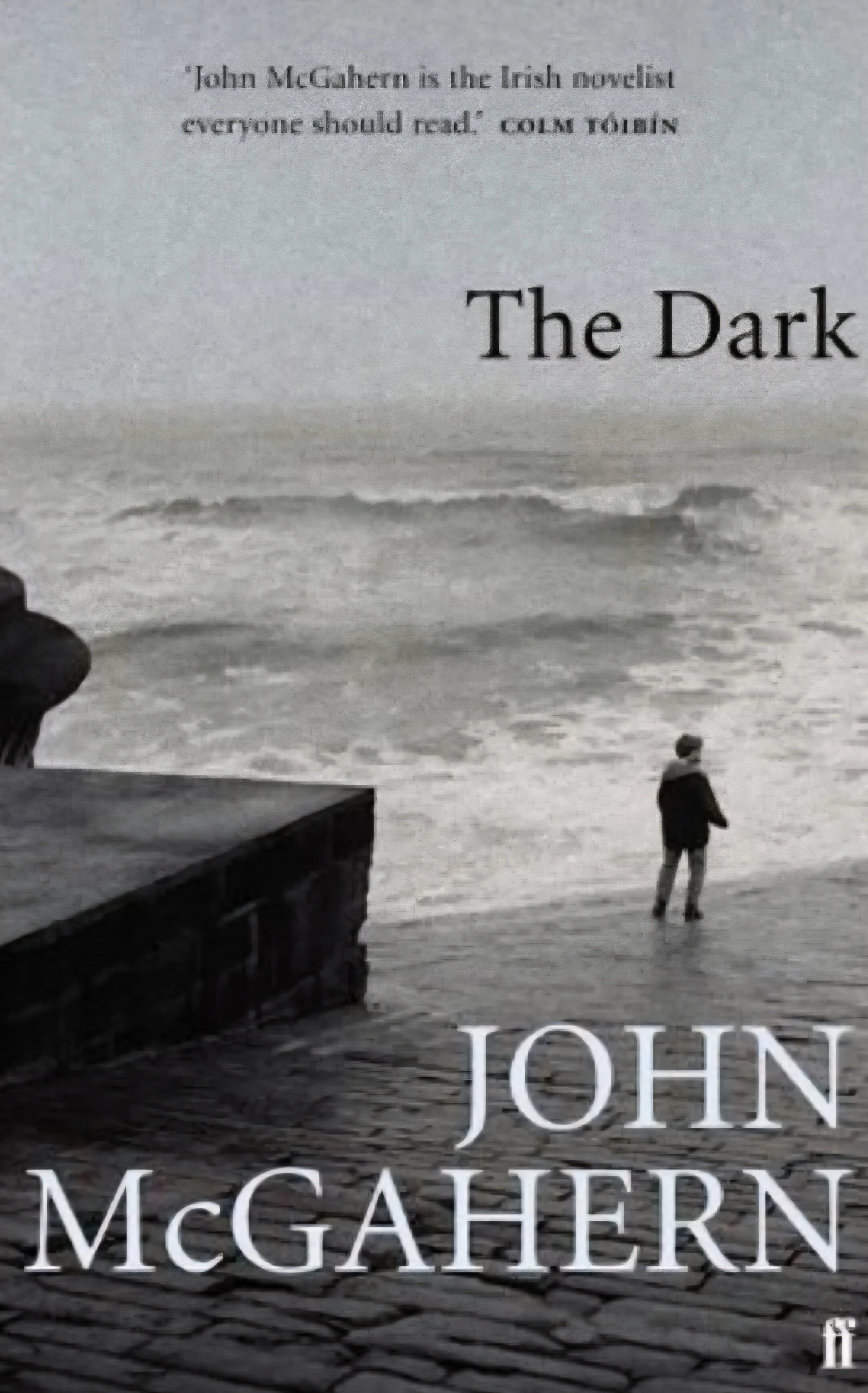
McGahern gained early attention with the novels The Barracks (1963) and The Dark (1965). This book was banned in Ireland for its controversial content. As a result, he lost his position as a teacher, prompting him to spend several years living abroad, particularly in London. Other writers wanted to protest what had happened. Here is an excerpt from an interview he had about it with Mike Murphy, an Irish broadcaster, in 2000.
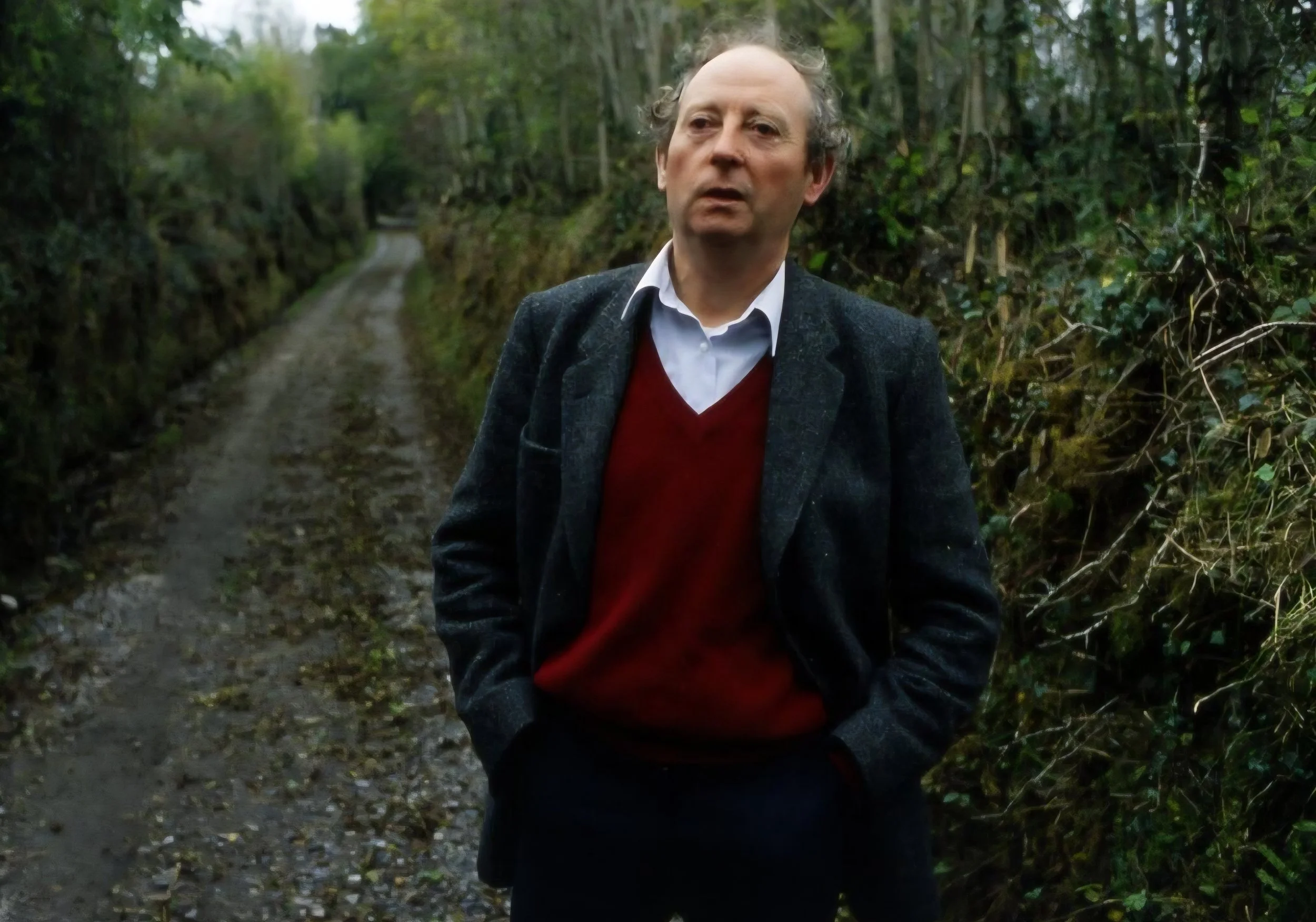
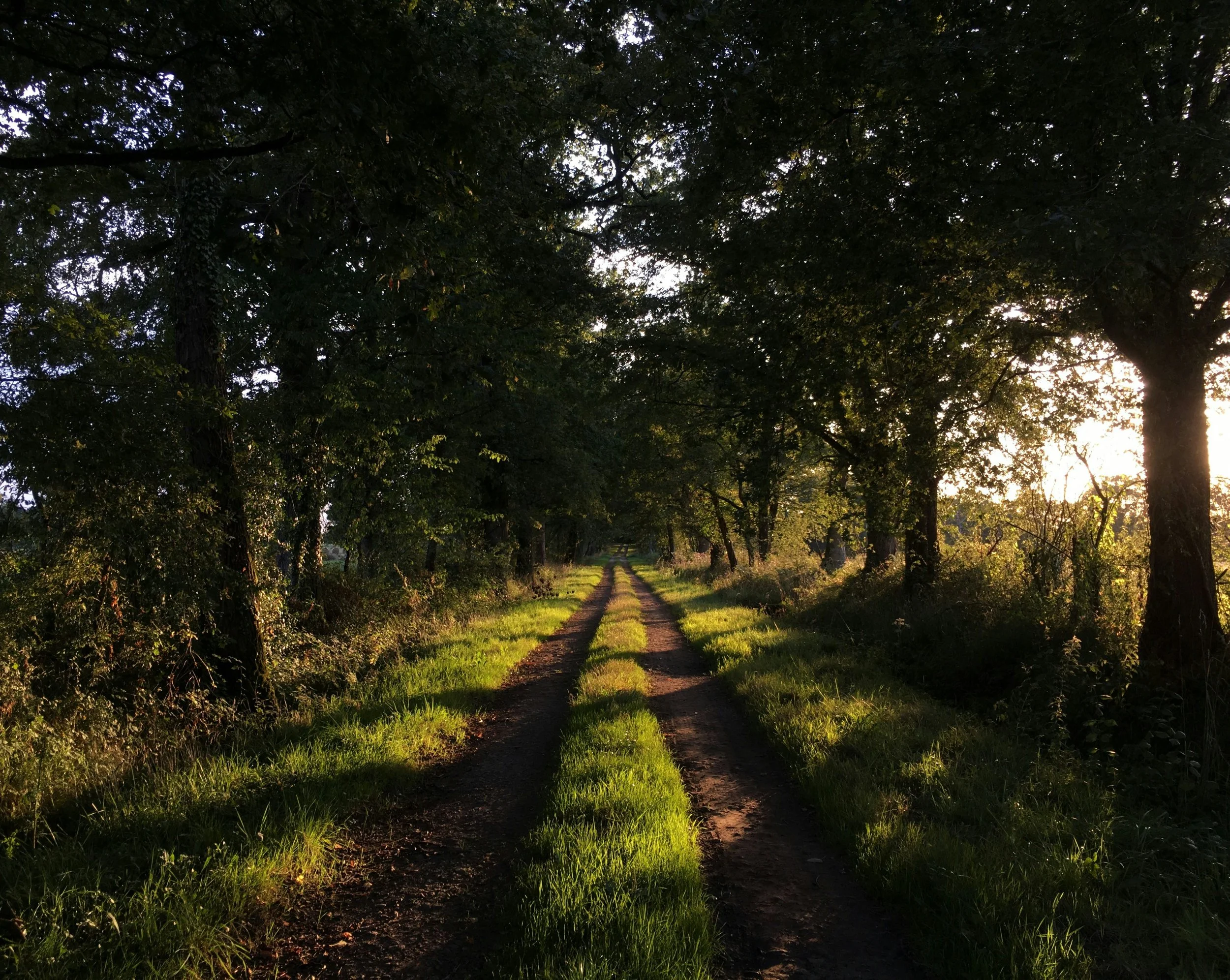
Photography : Madelene Green.
MM: What about The Dark? Did your family react to it?
JMcG: I remember my sisters complaining that at a wedding they were pointed out as the sisters of the fella who wrote the dirty book. They weren’t annoyed with me, but they found the experience unpleasant. I’ve already attempted to explain my own attitude to the affair. I found it unpleasant in a different way.
MM: Did your father react when The Barracks came out with the central character Reegan, a Garda Sergeant in a small barracks more or less where you lived? Did he read it and address you about it?
JMcG: I sent him a copy and he said that he had no intention of reading it, but the way he put it was that he was waiting for the lamp to come on to see if it would enlighten him.
MM: Did he ever read it? Did he ever get enlightened?
JMcG: I don’t think so. We never spoke about it. He was quite upset when I was sacked, and since he was much more aggressive than I was he thought that I wasn’t standing up for myself enough.
MM: At least you must have been gratified that he was standing up for you, so to speak?
JMcG: I thought that the Censorship Board and the whole business was a joke. The people who read books and those I knew at that time considered it a joke. It had no effect on our lives. Forbidden fruits have their own sweetness, and most of the books that were banned, like most of the books published, weren’t worth reading. Those that were banned could be easily got. All you had to do was to go up to Belfast to get them, for instance.
MM: Did you take being banned personally?
JMcG: It was very unpleasant to get mixed up with it because I had nothing but contempt for it. People in Paris wanted to protest as well as people here.
MM: Didn’t Samuel Beckett want to more or less lead it?
JMcG: People went to him, and he said he’d have to read the book first. He read it, and apparently he said it was a good job; but he insisted that they would have to ask me first if I wanted a protest. I didn’t think it was worth protesting about. Only for Mr Beckett I would never have been asked. Naturally, I was very grateful to him and to the other people who wanted to protest on my behalf.
Yet even during this period, Ireland remained central to his imagination. Rather than rejecting it, he continued to write toward it—examining its traditions, its silences, and its contradictions. This tension between belonging and distance shaped much of his work, giving it a quiet but unmistakable emotional charge. Ireland remained the emotional and imaginative centre of his writing, not as an idealised place, but as one shaped by authority, tradition, and deeply rooted social codes.
MM: Do you see yourself as an Irish writer or do you not like to be limited by such categorization?
JMcG: No, I am an Irish writer. I couldn’t be a Chinese or a Japanese writer, and I write in the English language. The experiences that I write out of are my experiences. That’s a given, like the material, like being Irish. It’s what you do with those experiences that counts.
He went on to produce celebrated works, including Amongst Women (1990), widely regarded as his masterpiece. His writing is noted for its restraint, emotional depth, and keen observation of human relationships.
Over time, McGahern came to be recognised as a central figure in Irish literature, earning numerous awards and leaving a lasting influence on later generations of writers.
His work is not driven by dramatic plots or sweeping action, but by stillness, observation, and emotional undercurrents that mirror the landscape he so often wrote about. In many ways, McGahern’s writing feels inseparable from Ireland itself—particularly the west and northwest, where fields, lakes, and small communities form both setting and substance. His prose invites readers not to rush forward, but to linger, to notice, and to reflect.
What makes McGahern’s writing so distinctive is his ability to transform ordinary life into something profound. A shared meal, a walk along a lane, the changing of seasons—these moments become vehicles for exploring memory, identity, and human connection. His characters often live modest, routine lives, yet within those routines lie deep wells of feeling. Ireland, in his work, is not romanticised; it is presented honestly, with both its beauty and its constraints.
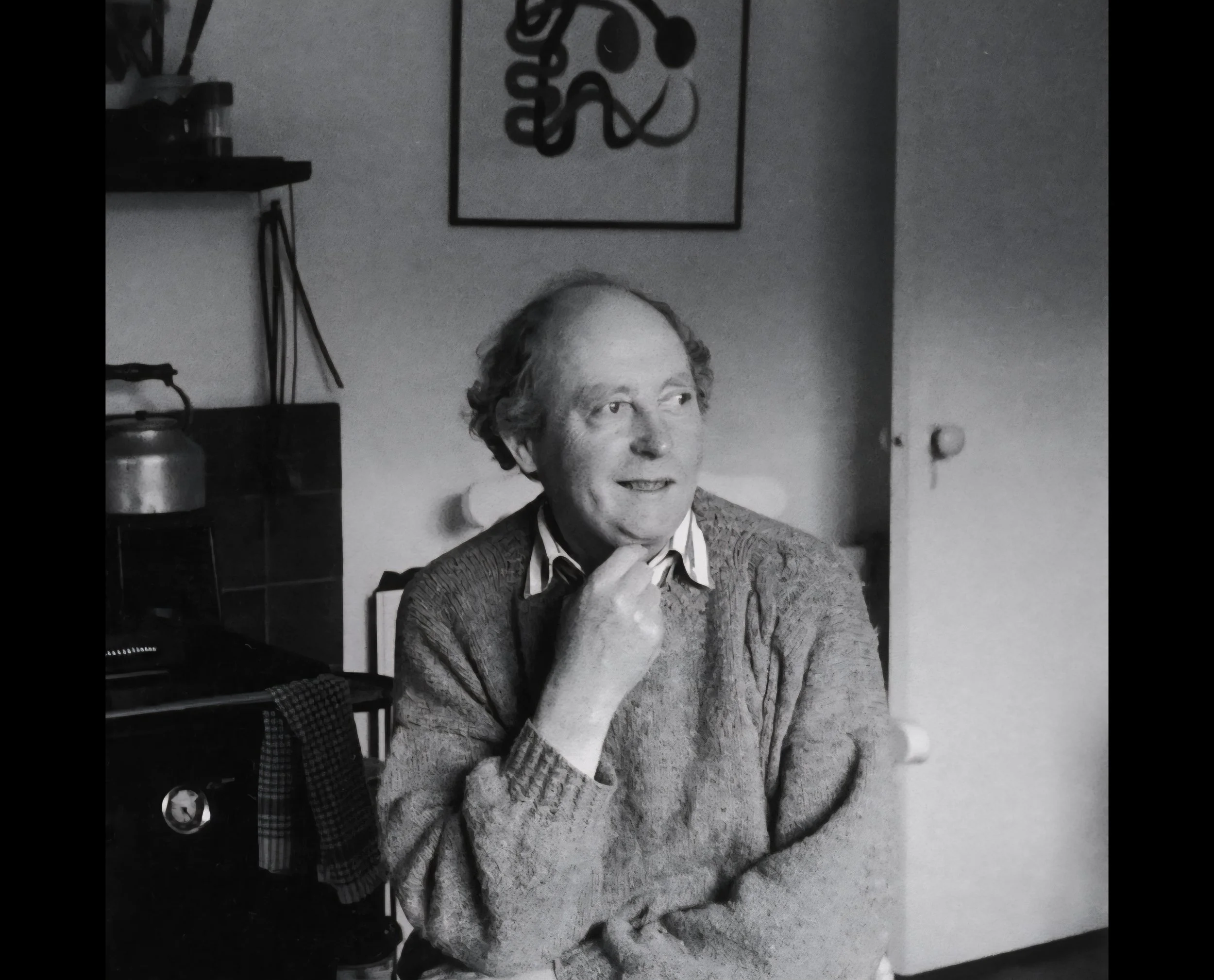
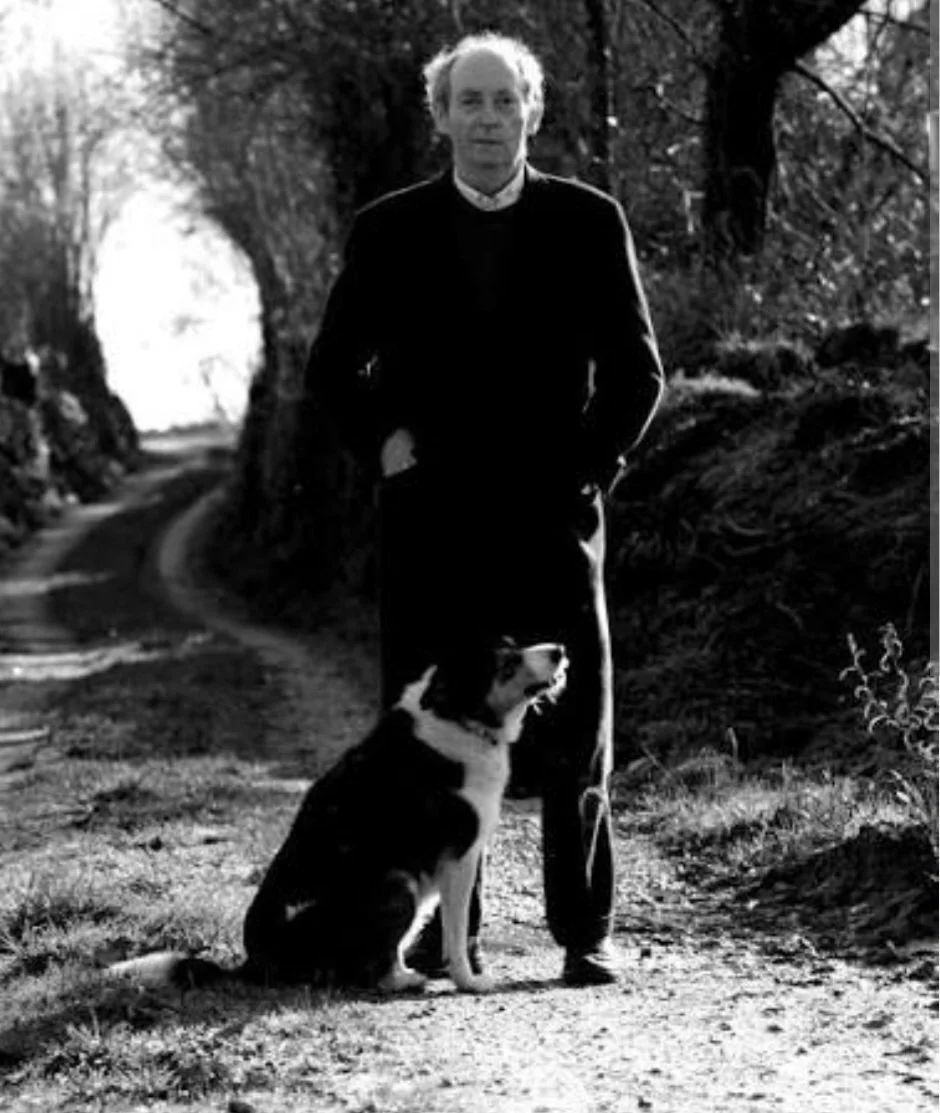
Photography : Steve Pyke.
In his later work, especially That They May Face the Rising Sun, McGahern seems to arrive at a kind of peace with Ireland. The novel is less about conflict and more about presence—about living fully within a place and a community. The landscape is no longer something to wrestle with, but something to inhabit. Time moves gently, almost imperceptibly, and the act of living itself becomes meaningful. It is here that McGahern’s deep affection for Ireland is most clearly felt, not through grand statements, but through quiet attention.
The morning was clear. There was no wind on the lake. There was also a great stillness. When the bells rang out for Mass, the strokes trembling on the water, they had the entire Easter world to themselves. On such an Easter morning as we were setting out for Mass, we are always shown the sun. Look how the molten globe and all the glittering rays are dancing. The whole of heaven is dancing in its joy that Christ has risen.
Ultimately, McGahern’s legacy lies in his ability to reveal the extraordinary within the ordinary. His Ireland is one of fields and farms, yes, but also of memory, endurance, and quiet grace. By turning his gaze so carefully on the small details of life, he created work that feels timeless and universal.
MM: What would you like the reader of your work in a hundred years’ time to receive from it?
JMcG: If such a reader will exist, pleasure – and some illumination.
He offered readers not just stories, but a way of seeing—one that encourages us, like his characters, to pause and face the rising sun.
“The Best of life is life lived quietly, where nothing happens but our calm journey through the day,
where change is imperceptible and the precious life is everything”.
John McGahern
Photography by Colm Hogan.
