“There’s a kind of conferred trauma in Irish life.
If you are Northern Irish, that trauma is immediate.
If you’re Southern Irish, it’s inherited.
Either way, it lodges in you.”
Seamus Heaney, Irish Writer (1939-2016)
Intergenerational trauma refers to the transmission of emotional wounds, behavioural patterns, and unresolved psychological conflicts from one generation to the next. Unresolved psychic material may echo across generations, shaping identities and emotional landscapes long after the original trauma occurred. From the perspective of depth psychology, these inherited patterns are not only social or historical phenomena but also psychological currents moving through families and cultures. What remains unspoken or unprocessed in one generation may subtly shape the inner world of the next, appearing in anxieties, silences, and emotional dispositions that seem to arise without an obvious personal cause.
In Jungian thought, trauma is not merely an isolated event but a psychic rupture that can split aspects of the personality into the unconscious, or what Jung called the Shadow. These fragments remain unintegrated and continue to influence conscious life. When traumatic experiences cannot be processed or symbolised, their psychic charge does not disappear. Instead, it may manifest through relational patterns, family narratives, and emotional atmospheres that children absorb indirectly. In this way, trauma becomes embedded in the psychological environment of a lineage, shaping how later generations interpret the world and themselves.
“You would not believe how many words there are for ‘home’
and what savage music there can be wrung from it.”
Edna O’Brien, Irish Writer (1930-2024)
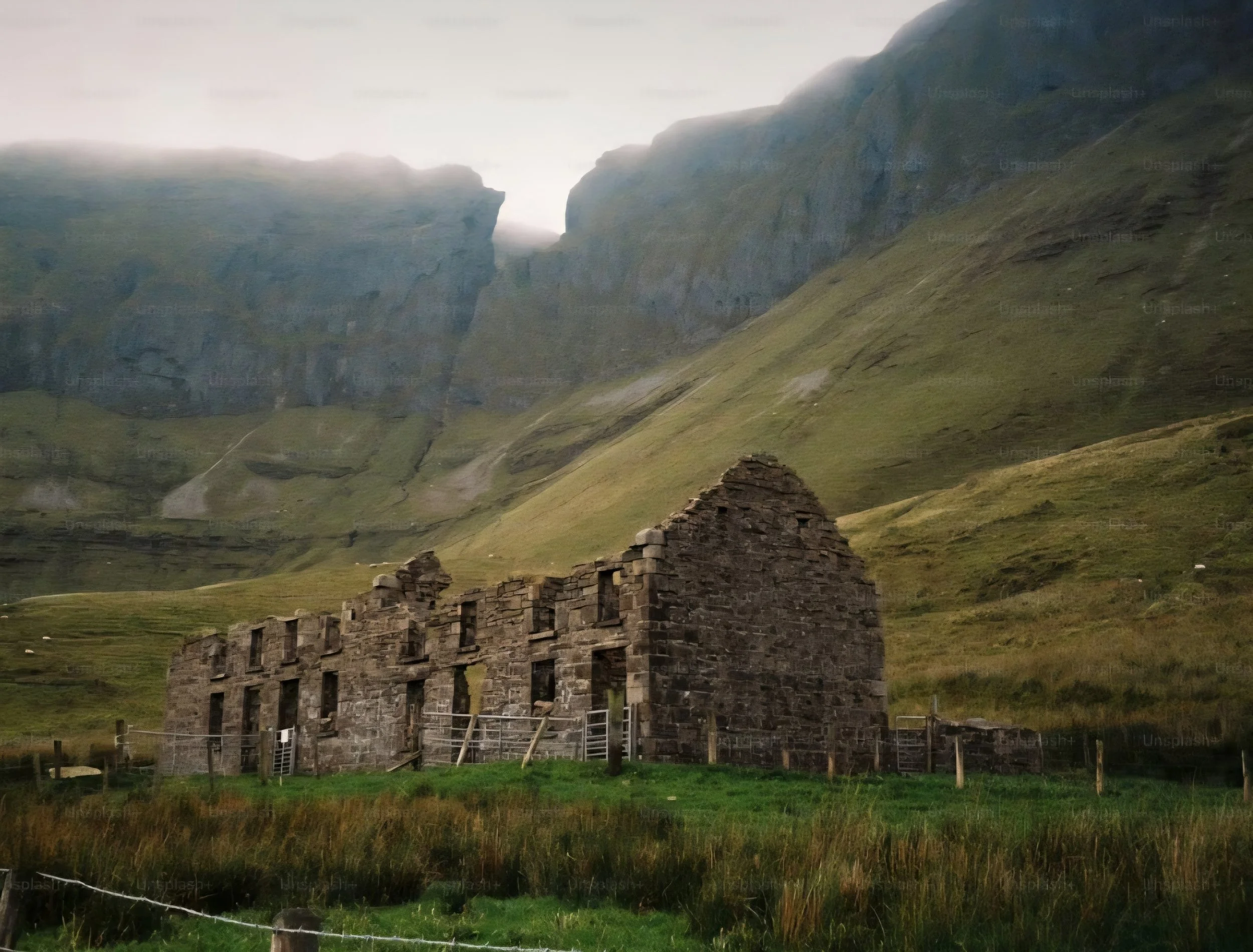
Ireland offers a powerful historical context for considering these dynamics. Conversations in rural communities still carry traces of this past. Recently, while speaking with a neighbour in Connemara, he referred to “aimsir an drochshaoil” — “the bad times.” This is often how the period is remembered in the Irish language: an era widely known in English as the Irish Potato Famine, but also called an Gorta Mór, the Great Hunger. The phrasing itself reflects how the memory of suffering continues to echo in everyday speech.
The term “famine” itself is debated. During the years beginning in 1845, the island of Ireland continued to produce food even as the potato crop failed. Dairy, seafood, meat, and other produce were often exported while the poorest segments of the population starved. For this reason, some historians describe the period more accurately as a class-specific starvation rather than a general shortage of food. In other discourse, it is referred to as genocide.
It is also important to recognise that this catastrophe was neither the first nor the last agricultural crisis in Ireland. Earlier famines, such as those of 1740–1741, may have killed a greater proportion of the population, while another outbreak of potato blight in 1879 caused widespread hardship but far fewer deaths due to changing social conditions. Nevertheless, the period between 1845 and 1852 left a profound imprint on the Irish psyche. Massive loss of life, forced emigration, and cultural disruption created a collective trauma that reverberated through generations, shaping attitudes toward land, scarcity, migration, and survival.
“At home in Ireland, there's a habit of avoidance, an ironical attitude towards the authority figure.”
Seamus Heaney, Irish Writer (1939-2016)
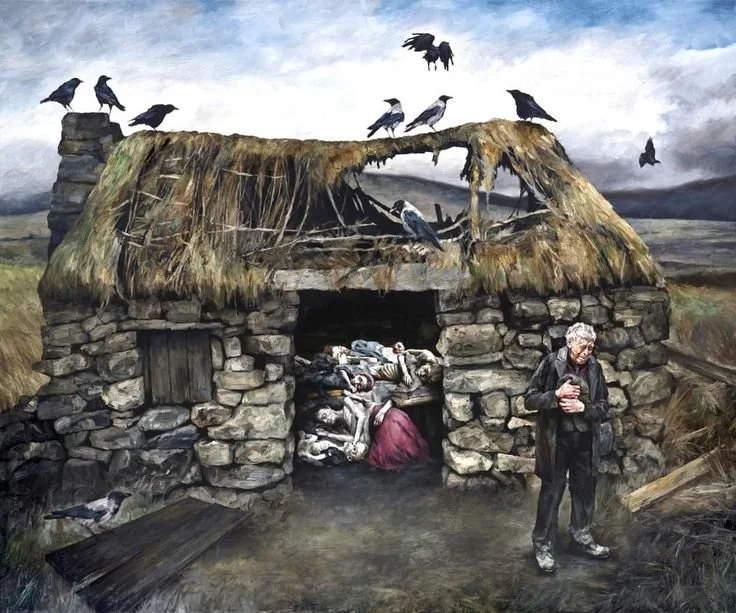
Art by Danny Howe
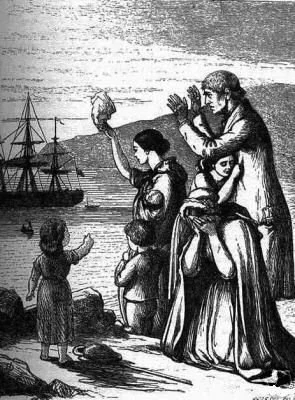
Drawing by Henry Doyle “Emigrants leave Ireland”
The Lens of Epigenetics
Contemporary research has begun to explore similar ideas through the lens of epigenetics. Studies suggest that extreme stress may alter gene expression in ways that influence the biological responses of descendants. Although Jung lacked the empirical tools to examine such mechanisms in his lifetime, his theoretical work anticipated the possibility that psychological experience could reverberate beyond the individual. The emerging convergence between depth psychology and biological science suggests that trauma may operate simultaneously on symbolic, relational, and physiological levels.
In my work with clients who are descendants of Irish emigrants, I often hear that Ireland was rarely discussed when their ancestors arrived to the new shore. Rather than stories of departure or loss, many describe a striking silence surrounding their ancestral homeland. Focused on survival — work, adaptation, and endurance in a new country — the emotional weight of emigration remained largely unspoken. The pain is buried. Within such environments, the past does not disappear; it becomes implicit. What cannot be spoken is often conveyed through emotional atmosphere, restraint, and the quiet presence of unexpressed grief. From a Jungian perspective, these silences may represent areas of the collective and familial Shadow — psychic material that was never fully symbolised and therefore continues to reverberate in later generations.
Alongside this silence, many clients describe a subtle but persistent sense of yearning. There is often a feeling of longing for something difficult to articulate, as though an emotional inheritance remains even where explicit stories have been lost. Ireland, in these accounts, becomes less a concrete place than a symbolic presence — an imagined landscape shaped by fragments and absences. From a Jungian perspective, such longing may represent the psyche’s attempt to reconnect with disowned aspects of collective and familial experience. What was silenced in the interest of survival may continue to live in the unconscious, emerging not as narrative but as feeling.
“I open a book, a school book maybe, or a book of superstition, or a book of place-names; and I have only to see the names of Ballyhooly or Raheen to be plunged into that world from which I have derived such a richness and an unquenchable grief.”
Edna O’Brien, Irish Writer (1930-2024)
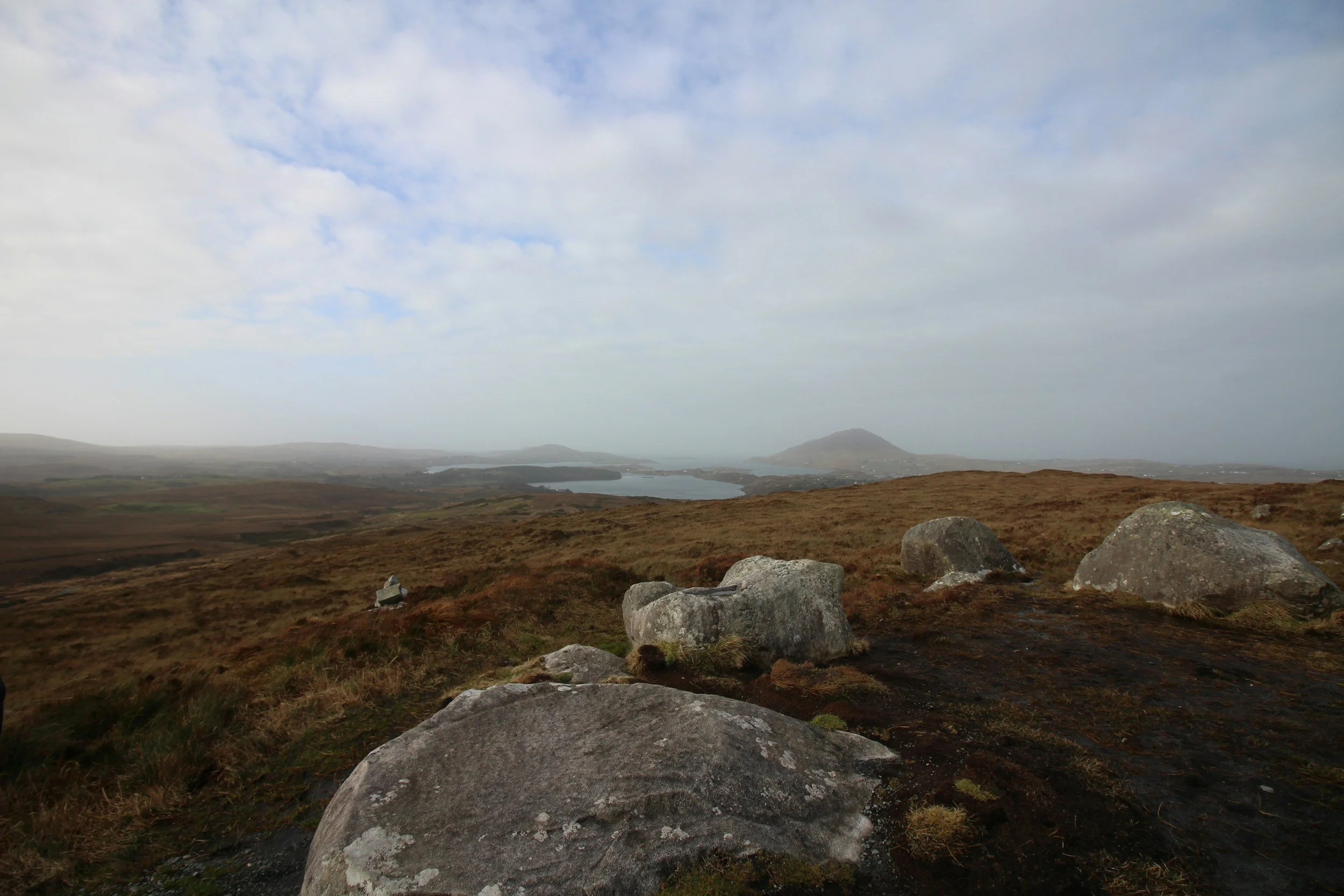
Wandering Between Worlds
This quality of longing echoes themes that run deeply through Irish mythology and folklore, where figures often wander between worlds, sensing a homeland just beyond reach. Like the stories of Tír na nÓg (“the land of everlasting youth”)— the otherworldly land of youth and belonging — the object of longing may be less a geographical place than a psychic memory of wholeness.
Many stories from Irish mythology revolve around exile and grief, and the long consequences of ancestral conflict. The legend of the Children of Lir, in which siblings are transformed into swans for 900 years by the jealousy of their stepmother, can be understood as a metaphor for suspended grief carried across time. Their enchantment resembles a psychological freezing, where suffering is preserved rather than resolved. Only when the curse concludes are the children released, suggesting that unacknowledged sorrow may persist until it is consciously recognised and transformed.
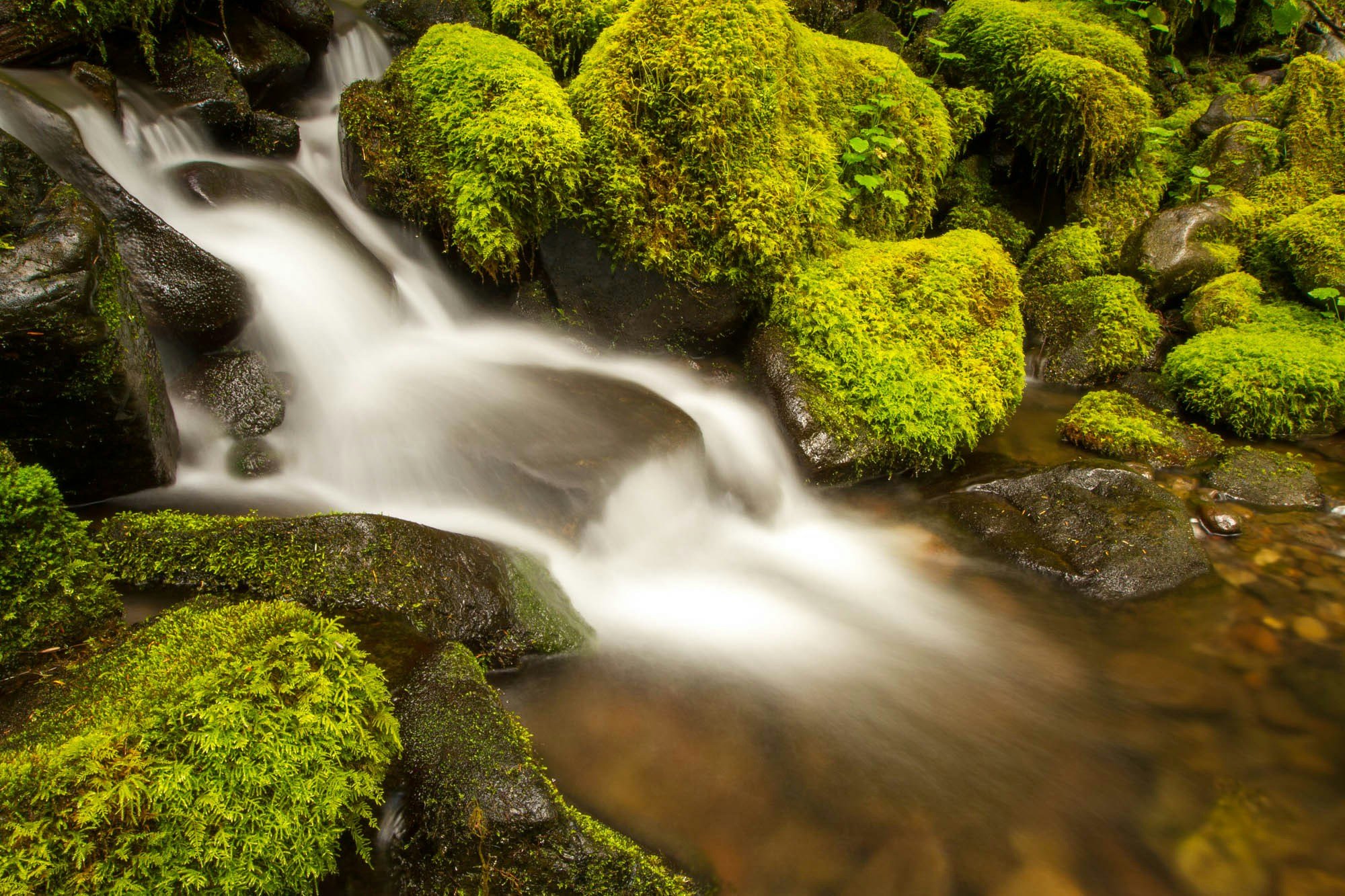
In Irish mythology, folklore, and customs and practices still observed today, symbols of healing frequently appear as sacred wells and restorative waters believed to cure illness or lift curses. There are estimated to be over 3,000 recorded holy wells (Tobar Beannaithe) across Ireland. These sites, which often date back to pre-Christian times, are scattered throughout the country. In Jungian symbolism, water often represents the unconscious — the deep reservoir of memory and emotion beneath ordinary awareness. Approaching such waters mirrors the psychological task of entering the depths of the psyche to encounter submerged experiences. Just as mythic figures approach these wells with reverence, individuals addressing intergenerational trauma often require supportive contexts — therapy, storytelling, cultural rituals, or communal remembrance — to safely engage what has long remained hidden.
The Mythic Act
Ultimately, Jungian depth psychology frames intergenerational trauma not only as a burden but also as an invitation to awareness and transformation. Within these stories of struggle, there are also powerful generational gifts—resilience, creativity, perseverance, and love—that continue to move through us.
In this context, it is perhaps unsurprising that Ireland has given rise to so many remarkable musicians, artists, writers, and storytellers. Myths, folklore, and historical memory remind us that suffering and renewal are intertwined within the human story. By acknowledging ancestral wounds and giving them symbolic expression, individuals participate in a process that honours the past while reshaping the future.
When we cultivate self-awareness, we create space to recognise both sides: the patterns we inherited that may hold us back, and the strengths we inherited that help us grow. We can break cycles that no longer serve us, strengthen the qualities that uplift us, and create healthier foundations for the generations that follow.
In this sense, healing trauma resembles the mythic act of lifting a curse: a gradual restoration of psychic balance that allows life, meaning, and creativity to flow more freely through the generations.
“Ireland for me is moments of its history and its geography… a line from a Synge play, the whiff of night air. I live out (side) of Ireland because something in me warns me — that I might stop if I lived there, that I might cease to feel what it has meant to have such a heritage.”
Edna O’Brien, Irish Writer (1930-2024)
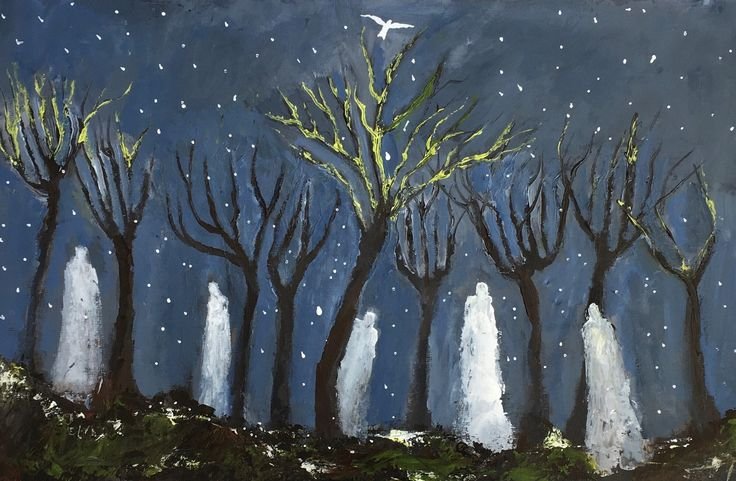
Art by Jeanie Tomanek
My Invitation
Deepening the Senses is a mythopoetic, immersive space for personal development rooted in Jungian psychology, Irish folklore and mythology, language, and the imaginal landscapes of the Gaelic Otherworld. Through ritual, story, image, and embodied practice, participants are invited into a deeper relationship with the inner world where the soul speaks through symbol and sensation. Nourished by Ireland’s living heritage of myth, folklore, music, language, and landscape, the work explores our connection to ancestors and the echoes of intergenerational trauma, opening pathways for healing, renewal, and transformation.
Featured Course Series - Returning to the Well
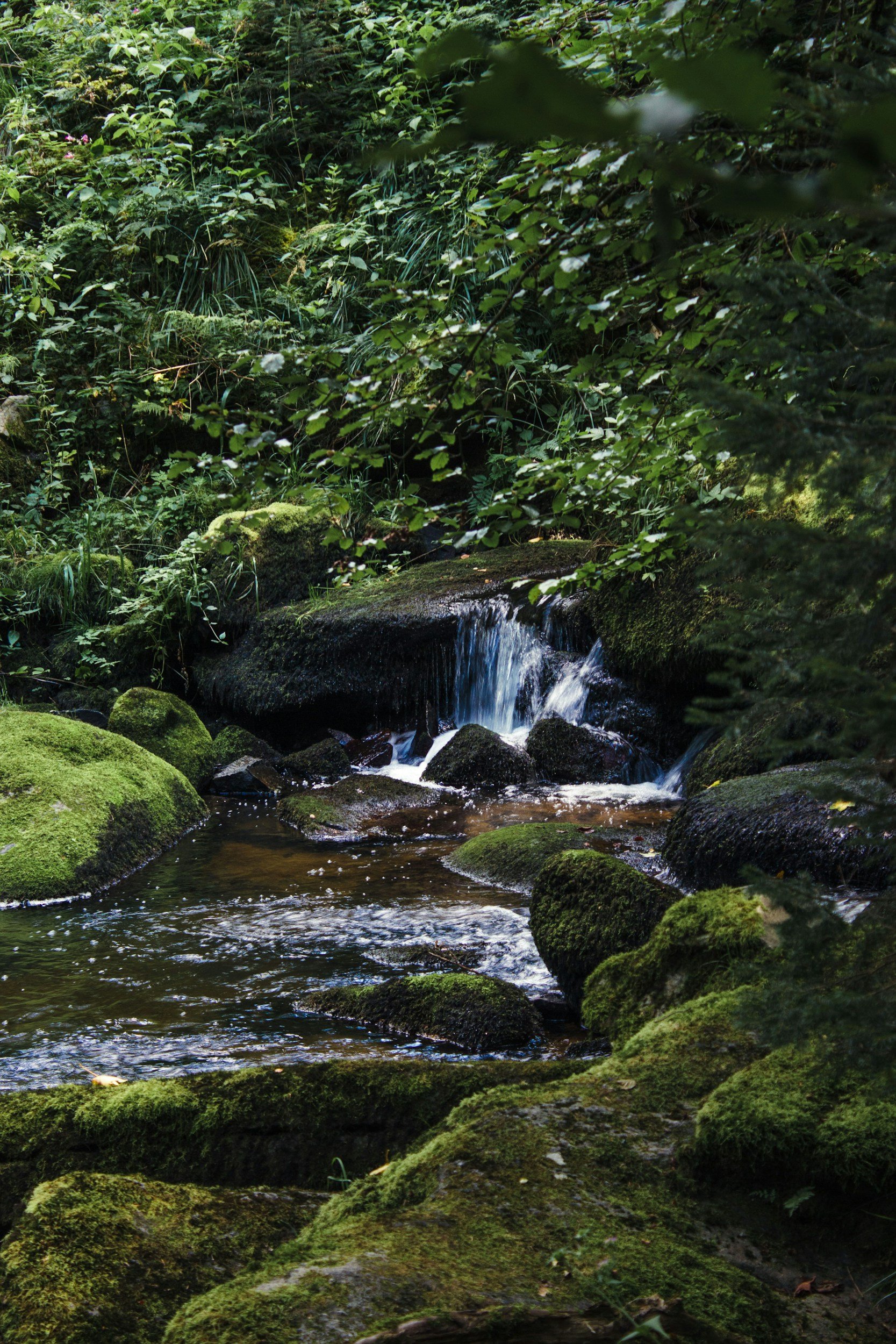
We return to the metaphorical well that was symbolic to our ancient ancestors. The Celts viewed water as sacred, and it sprang forth from the earth, from the mother goddess herself. We return to the well, to this gift from a divine world, to support ourselves and connect to the nurturing aspects of the mother within, in the service of our own lives and that of our ancestors. This course package includes the courses: The Great Mother, The Dark Mother, Blessing the Waters and Kindling the Fire.
