In all of my Deepening the Senses courses, I speak about cultivating a space of sanctuary in your life and home — a space of ritual, a physical place that is wholly yours. This is a space of intention that serves as a container for this Deepening the Senses work.
At its heart, your sanctuary is an intentional meeting with yourself — a conscious turning toward your own heart after seasons of absence or self-abandonment. It is a place of quiet ritual. A gentle yet powerful declaration that your inner world matters and deserves your presence.
But why does sanctuary matter so deeply?
Because many of us have learned to abandon ourselves in subtle and profound ways.
What is the Self-Abandonment Wound?
In the A Journey Inward series, we explore the healing of the self-abandonment wound. The self-abandonment wound is the pattern of disconnecting from your own feelings and needs in order to secure safety, approval, or belonging from others. It forms when you learn that attuning to others feels safer than honouring yourself.
This outward orientation can look like becoming vigilant to others’ moods, expectations, and needs. To be “good” is to meet those needs without honouring — or even sensing — your own. Living in this survival mode leaves little room to know who you are beyond that adaptation.
Over time, it becomes a habitual turning away from yourself — from your needs, wishes, and inner life.
To begin healing this wound, we must begin building a relationship with our sensing, feeling bodies. This also involves cultivating a loving relationship with yourself. It is not a passive unfolding; it requires time, patience, and deliberate care. It is the quiet, courageous act of showing up for yourself more days than not — perhaps for the first time — and whispering inwardly: I am worthy of care. I am worthy of love.
Returning home to yourself is not a single revelation but a daily practice. Each small gesture of kindness, each compassionate moment of honest self-seeing, becomes an affirmation of your inherent worth.
As Pema Chödrön reminds us:
“What you do for yourself — any gesture of kindness, any gesture of gentleness, any gesture of honest and clear seeing toward yourself — will affect how you experience your world.”
When you cultivate compassion within, the world begins to feel different. You turn toward it with greater steadiness, clarity, and warmth. Your way of being becomes rooted in self-respect rather than self-neglect.
Creating a space of sanctuary is both symbolic and physical — a reflection of your inner commitment to yourself.

Creating Sanctuary | A Space of Intention
When you think about where you wish to create your sanctuary, what space in your home comes to mind?
It is a beautiful practice to consciously and intentionally make space in your life for yourself. Clearing clutter from your home can feel like clearing space within. Energetically, your home is often an extension of you. We frequently feel lighter when we release what no longer serves us.
As we enter the spring season, emerging from the darker months, we often hear about “spring cleaning.” There is a returning energy that calls for renewal and reorganisation. Tending to your space in this way is a simple but powerful act of care.
Choose A Space in your Home
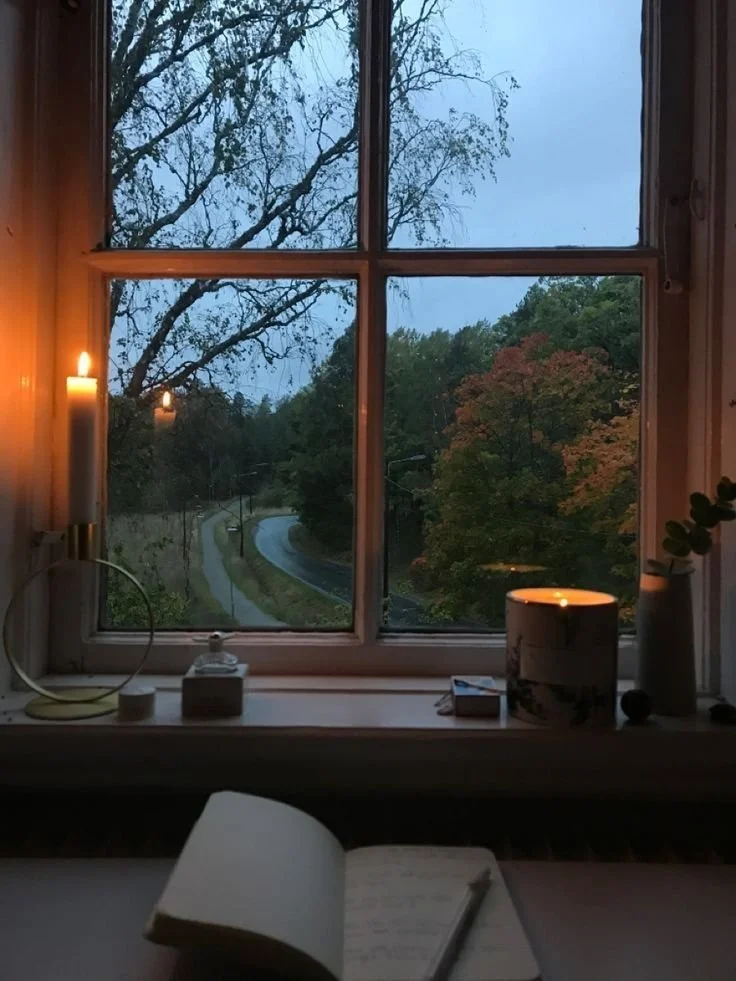
Designate a place in your home that is devoted entirely to you. It does not matter whether this is a whole room, the corner of a bedroom, or a seat by a window.
However small or spacious, it becomes a symbolic gesture to your soul:
I am worthy of space in this world. I am worthy of my own space.
reflection questions
What might this space look like?
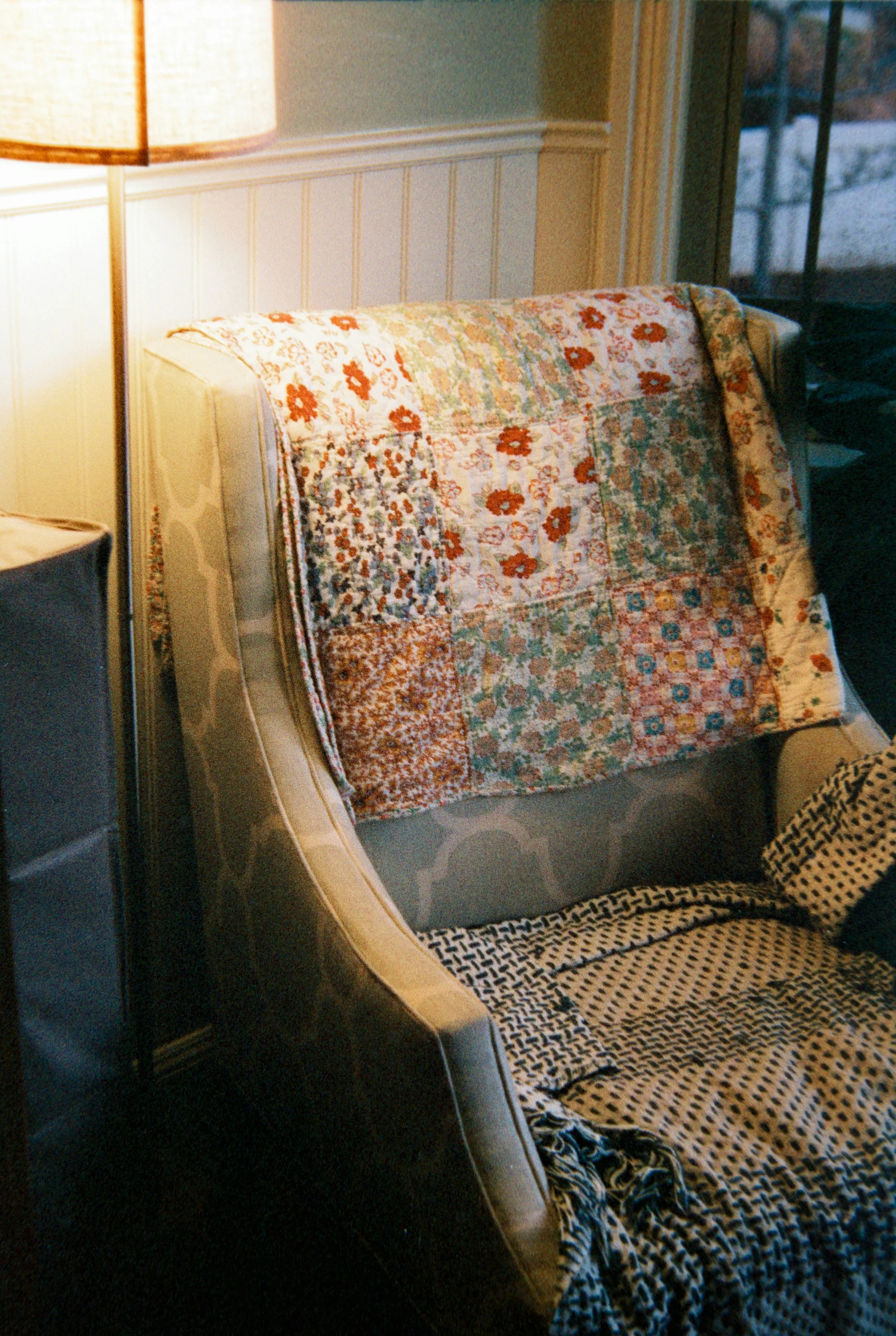
What chair do you love?
What will you surround yourself with?
What are you drawn to that brings you quiet pleasure?
Perhaps cushions, a cosy throw, a favourite painting, beloved books, a lamp that casts a soft glow.
Set Your Intention
Set your intention for this space — and allow yourself to enjoy the process.
Create a simple ritual here. I call this “creating sanctuary”. Sit. Notice. Let go of tension in the body. Allow yourself to feel what you feel in this moment. Breathe into it. Notice what it is like to both create and inhabit your sanctuary. This is an important aspect of this work.
You are making room for yourself. You are gently growing through the discomfort of what may feel unfamiliar. It takes time.
Notice that you care enough to make space for yourself in your life.
Begin this week by reflecting on where your sanctuary might live within your home. What would you like to place there? Notice if any resistance arises within you. Become curious about it — perhaps journal about what surfaces. Creating space can feel surprisingly vulnerable, especially at first.
On your next walk out into nature, you may notice a stone or leaf that calls to you. What might it feel like to bring it home to your sanctuary? Allow this space to change as the seasons change. Shells gathered from a summer beach walk. A golden leaf or twig in autumn. These small offerings become symbolic gestures of honouring yourself as the year unfolds.
If you have already created your sanctuary in a past course with me, what might it feel like to return now, at this season’s turning, to your sanctuary once again, with renewed intention?
Returning Home | The Celtic Tradition
Returning home to yourself is not a solitary act. In the ancient Irish tradition, we find symbols and images that hold and guide this inner movement toward compassion and renewal.
In my course Resting Under Brigid’s Mantle - Cultivating Sanctuary and Compassion in Daily Life, I speak of Brigid and her healing cloak — and of the sanctuary we must also cultivate within ourselves: a space of compassion and loving-kindness toward the self.
In Celtic tradition, Brigid stands as a luminous guide at the threshold between winter and spring. Goddess of healing, poetry, and sacred fire, she carries a healing cloak — a symbol of protection, warmth, and compassionate presence. Her cloak reminds us that healing is not harsh or hurried; it is enveloping and kind.
As the earth softens and the first shoots of spring appear, we, too, are invited to step out of our inner winter and wrap ourselves in gentleness. Brigid’s cloak becomes a living metaphor: you are both the one who wears the cloak and the one who offers it.
